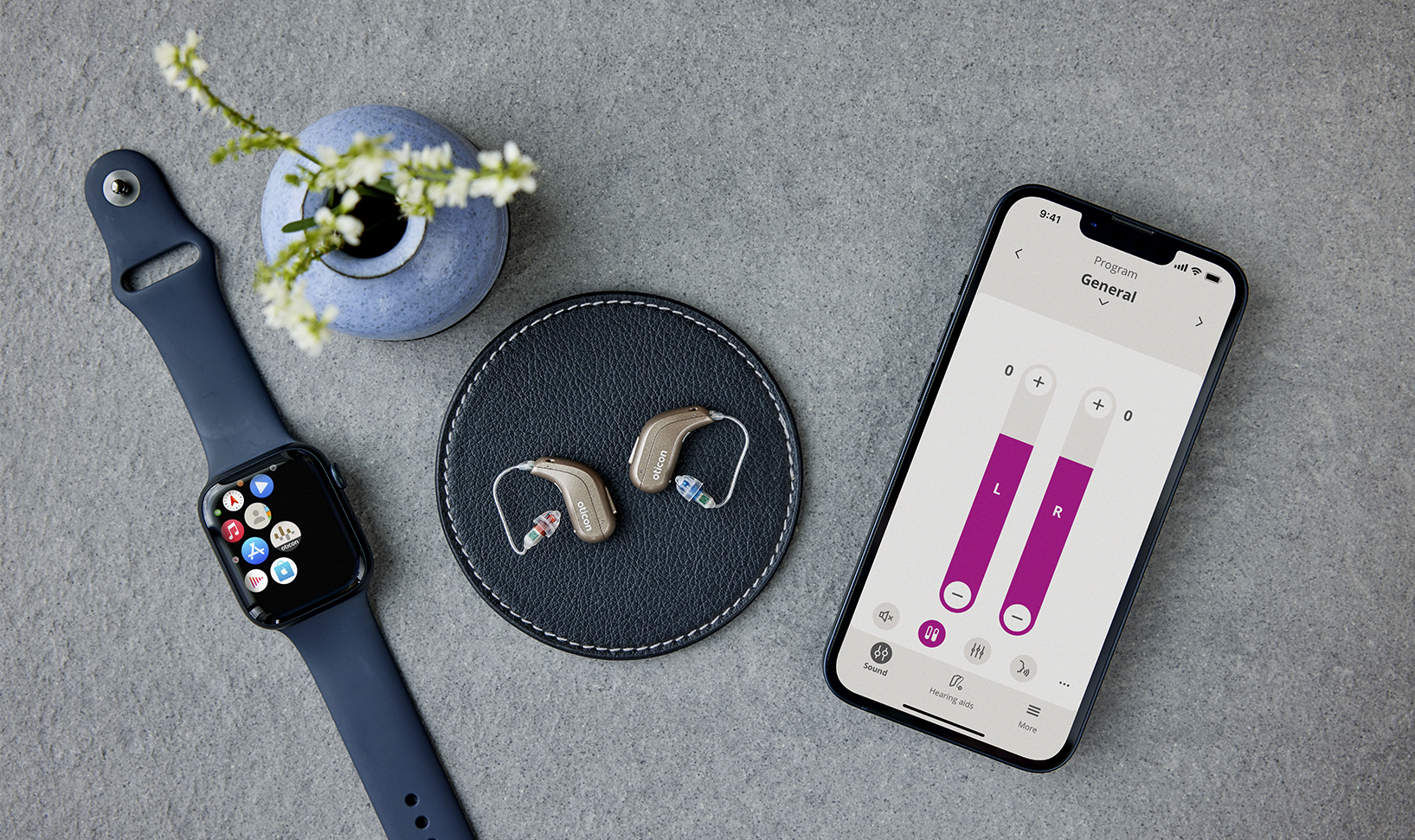
Understanding Modern Hearing Aid Technology
Today's hearing aids are far more advanced than their predecessors. They are sophisticated, miniature computers designed to process sound with incredible precision, providing a listening experience that is both clear and comfortable. The technology inside these devices is what makes a significant difference in how you interact with the world around you.
Digital Sound Processing
At the core of every modern hearing aid is a powerful microchip that processes sound digitally. This technology allows for a level of customization and performance that was previously impossible.
Key Components:
- Noise Reduction: Advanced algorithms analyze your environment and automatically reduce background noise, making it easier to focus on speech.
- Automatic Feedback Cancellation: Eliminates the whistling or buzzing sound (feedback) before it becomes audible, ensuring a comfortable listening experience.
- Multi-Channel Processing: Sound is split into multiple frequency channels, allowing the hearing aid to apply specific amplification and processing to each one, tailored to your unique hearing loss profile.
Wireless Connectivity
Connectivity is a key feature of modern hearing aids, transforming them from simple amplifiers into versatile wireless devices.
Connectivity Options:
- Bluetooth Streaming: Connect directly to your smartphone, tablet, or laptop to stream phone calls, music, podcasts, and video audio directly to your hearing aids.
- Remote Microphones: These devices can be clipped to a speaker or placed in the middle of a table, streaming their voice directly to your hearing aids, which is ideal in noisy environments.
- TV Streamers: A small device connected to your television wirelessly sends the TV audio directly to your hearing aids, ensuring you don't miss a single line of dialogue.
Advanced Features and Personalization
Beyond the core processing and connectivity, many hearing aids offer specialized features that further enhance your hearing and comfort.
Specialized Technology:
- Directional Microphones: Automatically focus on sounds coming from in front of you while reducing noise from the sides and back, greatly improving speech understanding in noisy situations.
- Rechargeable Batteries: Eliminates the hassle and cost of disposable batteries. Simply place your hearing aids in their charging case overnight.
- Tinnitus Management: Some devices can generate a gentle, soothing sound to help mask the symptoms of tinnitus, providing relief for those who suffer from it.
- Mobile Apps: Use an app on your smartphone to control the volume, switch between programs, and even make minor sound adjustments on your own.
The technology in hearing aids is constantly evolving. A personalized consultation with an audiologist is the best way to discover which features and technology best suit your individual needs and lifestyle.